

Hospitality isn’t just about setting the table or making someone feel welcome. On the mission field, hospitality becomes a sacred exchange, where giving and receiving meet in holy tension. Whether you’re hosting a women’s retreat in rural Appalachia, being offered mangoes in a Guatemalan village, or sitting cross-legged on a woven mat in Cambodia, one thing becomes clear: Mission isn’t just about what we bring, it’s about how we receive.
Hospitality Is the Posture of the Kingdom
Scripture reminds us to “practice hospitality” (Romans 12:13) and not to forget to show it to strangers, because “some have entertained angels without knowing it” (Hebrews 13:2).
But hospitality on the mission field goes deeper than hosting a meal. It’s about slowing down long enough to see the person in front of you. It’s about dignity. It’s about listening. It’s about presence.
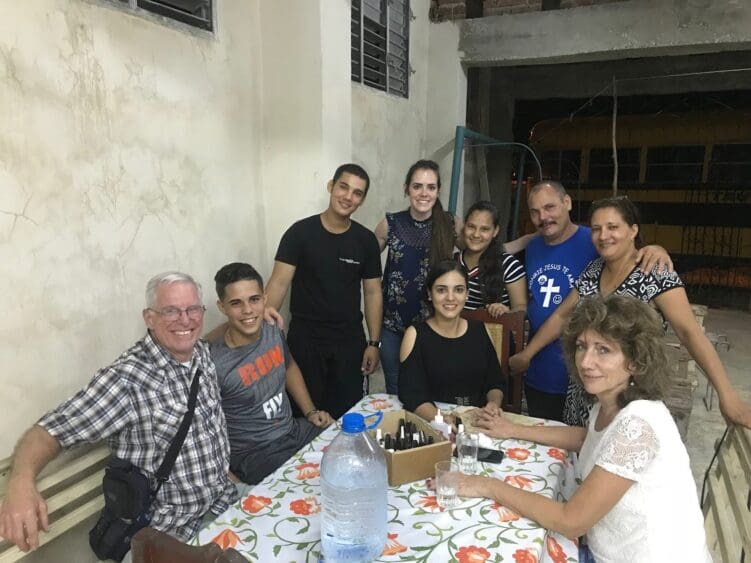
What Happens When We Receive Hospitality
One of the most transformational parts of serving cross-culturally is not in what we do, but in how we’re received.
In a small village in South Asia, a mission team once arrived ready to “serve,” only to find their hosts preparing a feast from what little they had. The team sat in humble silence as they were offered the best of the village’s resources: rice, laughter, stories, and honor.
That moment became a turning point. The team realized that their presence was a shared experience. They weren’t the only ones with something to offer. Receiving hospitality reminds us we are not superior. We’re just human, hungry for connection, learning to love across languages and cultures.
What Happens When We Offer It
Hospitality also looks like making space. When your team shares dinner with a homeless guest at a temporary shelter, when you invite a child to sit beside you at VBS, or when you host a family at your church’s community dinner, you’re saying: You belong here.
Mission doesn’t always look like preaching or building. Sometimes it looks like pulling up another chair.

Hospitality Breaks Down Walls
No matter the country or culture, hospitality softens hearts. It disarms fear. It builds trust.
In places like the Navajo Nation, where historic trauma has created barriers, respectful presence and relational hospitality often speak louder than any sermon. Just showing up, listening, and honoring traditions can create lasting bridges of reconciliation.
3 Ways to Practice Hospitality on Your Next Trip
- Show up with humility. Expect to learn as much as you serve.
- Receive with gratitude. Whether it’s food, a gift, or a prayer, see it as holy.
- Make room for connection. Slow down. Invite conversation. Share meals.
Why It Matters
The Gospel itself is rooted in hospitality: God making room for us, inviting us in, welcoming the stranger, and calling us family.
When we practice hospitality on the field, we reflect the very nature of Christ. And whether we’re giving it or receiving it, we’re standing on sacred ground.
Want to experience it for yourself? See how you can be a part of what God is doing through presence, humility, and shared meals.


 Participant Login
 Donor Login